


Oral rehabilitation and prosthetics
Restores function and aesthetics to your teeth
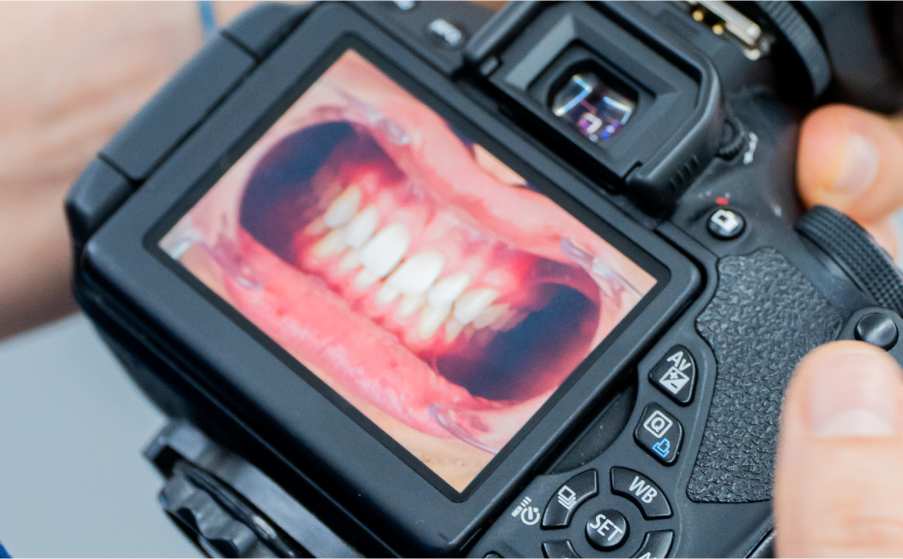
Oral rehabilitation is a branch of dentistry specializing in restoring teeth to restore their function and aesthetics.
To perform these comprehensive restorations, a correct diagnosis and the collaboration of different specialties such as orthodontics, periodontics, and endodontics are required.
The process of oral rehabilitation, for example, when teeth are severely worn, consists of scheduling a visit to take photographs, X-rays, and a scan of your mouth. With all this information, we place your study in a machine that reproduces your jaw movements and determines how to restore the lost structures. If possible, in two sessions, we restore the lost anatomy with resin so you can see an immediate result; and then continue with the necessary treatment (implant placement, orthodontics, veneers, or porcelain crowns).
Oral rehabilitation restores not only aesthetics but also function.
Frequently Asked Questions
What types of prostheses exist?
Dental prostheses replace natural tissue lost for various reasons (cavities, periodontal disease, trauma, etc.). Depending on their placement and fixation in the mouth, they can be classified as:
Removable Prostheses. This type of prosthesis can be removed from the mouth. They usually have a metal base or structure on which hooks or attachments are attached to hold the prosthesis in place.
Fixed Prostheses. These, as their name suggests, are attached to the remaining teeth in the mouth or implants.
Full denture. This is used when there are no teeth in the jawbone. They are made from heat-cured acrylic. In some cases, and whenever the patient requires it, implant-based retention systems can be used to improve prosthesis retention.
Who is this treatment intended for?
This treatment is indicated for patients who have lost their oral health, and this has led to an irreversible situation that requires comprehensive treatment.