

Diet and dental health
Did you know that what you eat and drink can help keep your teeth healthy? It's not just about preventing cavities. Diet can help prevent tooth erosion and periodontal disease as well.
Milk products
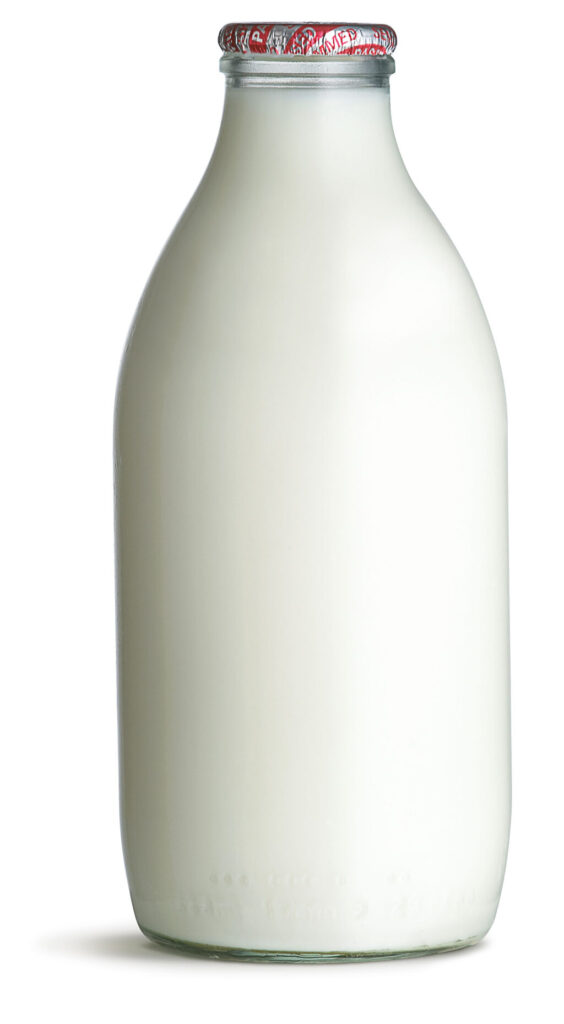
Dairy products like milk and cheese have very low acidity, making them a great choice for a snack between meals. Acidic foods and drinks in your diet can dissolve the enamel covering your teeth. This is known as erosion and can cause tooth sensitivity. Because dairy products are non-acidic, they don't contribute to erosion.
Additionally, milk and cheese are rich in nutrients like calcium, which is important for healthy bones and teeth. Opt for low-fat options when choosing snacks, as cheeses can be high in saturated fat.
Water and milk are the preferred beverage options. Before going to sleep, after brushing your teeth, water is the only beverage allowed.
Fruits and vegetables
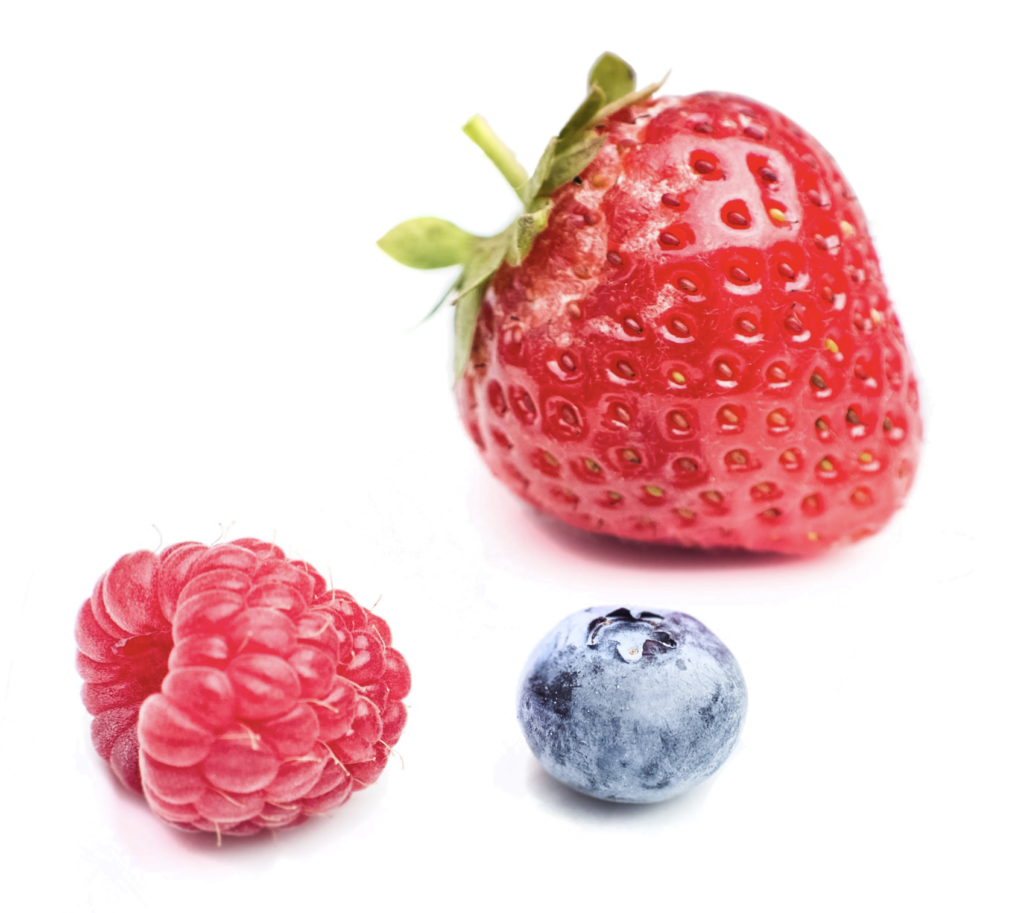
A healthy diet that includes fruits and vegetables is great for your teeth and can prevent periodontal disease. Fruits and vegetables are full of vitamins and minerals, which are essential for our overall health.
If you're deficient in vitamin C, your gums can become sore and you're more prone to periodontal disease. Many fruits and vegetables contain vitamin C, including kale, cauliflower, kiwi, and citrus fruits.
If you drink a lot of citrus juices, remember that they are very acidic and can cause tooth erosion. Consume acidic juices or fruits only during meals, and use a straw to minimize damage to your teeth.
Nuts and seeds
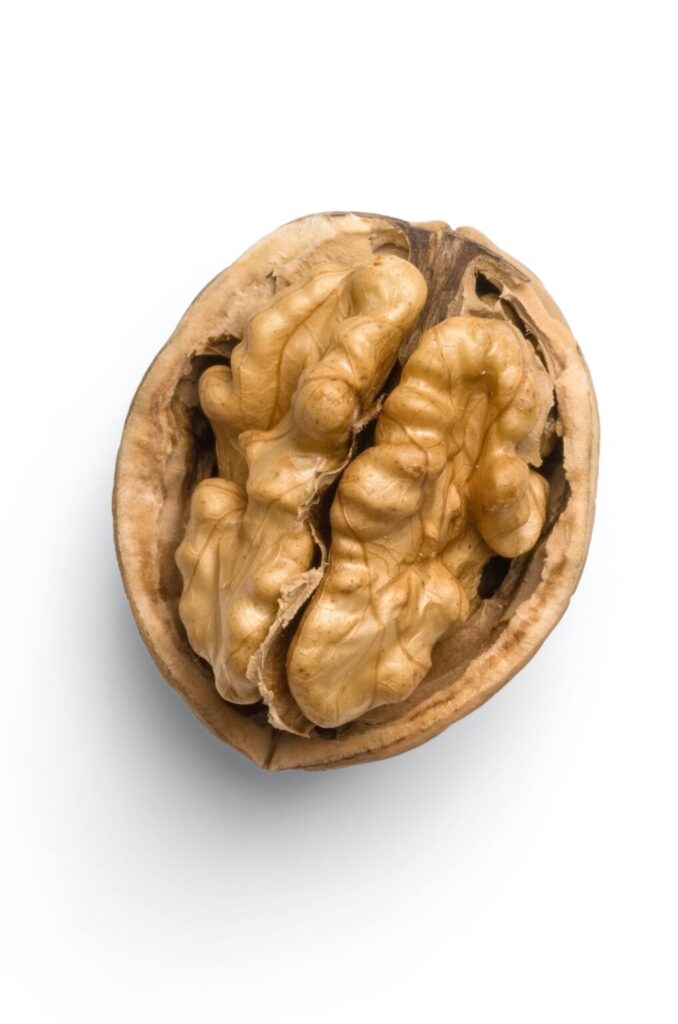
Eating three meals a day is better for your teeth than snacking. But if you feel the need to snack between meals, try a handful of unsalted nuts or seeds. They're delicious salty snacks and very low in sugar, so they don't contribute to tooth decay.
Good options include sesame seeds, pumpkin seeds, flax seeds, Brazil nuts, or walnuts.
Green tea
Green tea is packed with natural antioxidants. These compounds protect cells from damage caused by unstable molecules called free radicals.
Green tea is believed to reduce the risk of cavities and bad breath. It may also help support gum health.
Although green tea can be beneficial for the health of your teeth, remember that other teas can be acidic and therefore harmful to your teeth.

Remember, a varied, balanced diet is important to get all the nutrients you need.
If you think your diet may be affecting your teeth or have any questions, please ask us.