

Tobacco and dental health
You probably already know that the tobacco it's bad for your teeth. It causes many health problems such as infertility, cardiovascular disease, and cancer. But what damage does tobacco cause to your mouth, gums, and teeth? Smoking can lead to bad breath, tooth staining, periodontal disease, tooth loss, and oral cancer.
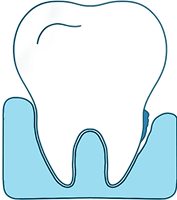
Periodontal disease
Smoking not only increases your risk of periodontal disease, but it can also affect how you respond to treatment.
If you smoke, you may not know you have periodontal disease. This is because smoking masks the typical signs of periodontal disease, such as swollen and bleeding gums. This is thought to be because tobacco reduces blood flow to the gums, which is why they don't bleed despite the inflammation.
This lack of irrigation can also be the cause of poor healing after treatment.
Oral cancer
Tobacco is one of the leading causes of oral cancer. The earlier oral cancer is diagnosed, the better your chances of recovery.
Your dentist can detect oral cancer in its early stages during regular dental checkups. That's why it's important to come see us regularly.
Symptoms include:
- Pain in the mouth.
- Inflammations, lumps on the lips, gums, or other areas inside the mouth.
- Mouth ulcers that do not improve.
- Difficulty chewing or swallowing.
- White or red spots in the mouth.
- Bleeding from the mouth.
- Anesthesia, loss of sensation, in the mouth.
These symptoms are not always caused by oral cancer, but if you have them, come see us or visit your doctor.
Dental staining
Tobacco can stain your teeth. You may notice your teeth yellowing quickly. This is due to the nicotine and tar in tobacco. If you smoke a lot, you may even notice your teeth turning brown over time.
Have a healthy mouth
One of the best ways to reduce your chances of developing oral cancer is to quit smoking. Even if you've smoked for many years, quitting smoking can reduce your risk of tobacco-related diseases.
For a healthy mouth, follow these tips:
- Use a small-headed manual toothbrush with medium-hard bristles; if it's an electric toothbrush head, any type will do.
- Use toothpaste with fluoride to prevent cavities.
- Make sure you brush all surfaces of your teeth properly.
- Pay attention to the gum line, angulating the bristles toward the areas where your teeth and gum meet.
- Brush twice a day for about 2 minutes each time, especially at night.
- Replace your brush or brush head every 3 months, or sooner if the bristles are worn or split.
Quit smoking
If you smoke, talk to your doctor or pharmacist about how you can quit. Smoking increases your chances of developing gum disease and can make it more difficult to treat.