

Oral health and sport
Ninety percent of the young adult population participates in some form of physical activity, either as a way to stay fit or as a professional. This is why it's important to understand and prevent the risks associated with sports.
Risk of dental injury during sports
The most frequent dental injury is uncomplicated coronal fracture (fracture of a tooth), followed by concussion (blow) and subluxation (displacement of a tooth).
Multiple studies have shown that most dental accidents affect the upper teeth, with the upper incisors being the most prone to injury (80-100% of cases). The number of teeth damaged varies depending on the cause of the injury. For example, a kick or punch from another participant typically damages one tooth, while a fall or being struck by a hard object usually results in damage to two or more teeth.
The role of the mouthguard in preventing injuries
To prevent this from happening during contact sports, it's important to wear a sports mouthguard. In some sports, like boxing, it's mandatory, but in others it's only a recommendation, and its use is left to the athlete's discretion.
The term mouthguard is universal and generic, and includes a large number and variety of products, from those that can be purchased in sporting goods stores, to those individually made and prescribed by a dentist.
A mouthguard is an elastic device placed inside the mouth that serves to reduce oral injuries, particularly to teeth and adjacent structures.
Hickey and Morris conducted a study and observed that mouthguards reduce intracranial pressure and neutralize the increased impact force on the brain as a result of a blow to the chin.
Mouthguards are commonly grouped into 3 types:
Type 1:
Standard, non-prescription dental protectors designed to be used without any modification.
Type 2:
Commercially available. Made with thermoplastic materials. They are submerged in hot water and shaped by the athlete using pressure by biting, using a finger or tongue.
Type 3:
made by the dentist, using impressions.
Type 1 and 2 protectors, compared to type 3, show little retention and a large volume; which causes greater difficulties for the athlete when using them.
It's important to know that not all mouthguards provide the same level of protection; some can even be dangerous for athletes. When a mouthguard doesn't adequately cover the teeth, as with types 1 and 2, it can increase the risk of a jaw fracture from a hard blow to the jaw.
Providing athletes with information and recommendations on the use of appropriate mouthguards is crucial. Using low-quality, non-individualized mouthguards increases the risk of jaw fracture after an impact.
Athletes, we encourage you to get a custom-made mouthguard from us. We guarantee it will be very comfortable, will prevent the consequences of a blow, and won't affect your performance.
Dental injury due to consumption of energy drinks during sports practice
During any physical activity, the body undergoes a series of changes, such as a decrease in body weight of approximately 2% due to water elimination.
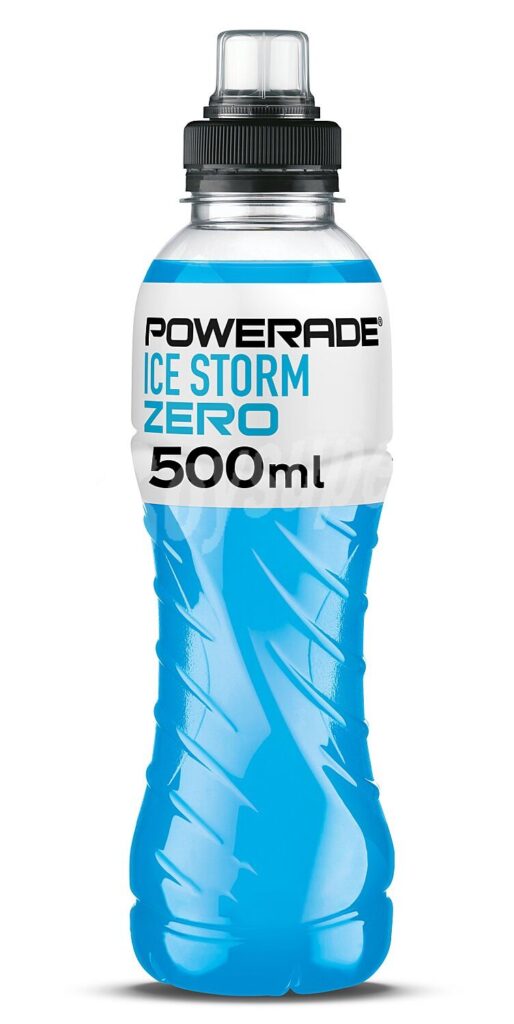
To avoid the effects of dehydration, it is necessary to drink fluids before and during exercise. The current market offers a variety of beverages that claim to provide athletes with hydration and energy recovery. It has been observed that most of these types of drinks have a pH around 2.57–3.26. These so-called energy drinks, unlike sports drinks, do not aid in hydration and electrolyte replenishment. In dental practice, they have been classified as a cause of dental erosion (acid wear of the teeth) because their pH is also below 5.5, which is considered harmful to dental structures.
Furthermore, during exercise, hyposalivation is a common symptom caused by water loss, which increases the risk of erosion in athletes. Therefore, drinking during exercise is important, but it is recommended to combine sports drinks with water.
Therefore, if you are an athlete and frequently consume sports or energy drinks, we recommend that you come and visit us to assess whether you have dental erosion and recommend measures to prevent it before you need treatment.