


How to take care of your teeth and your health
Your teeth are very important. Not only do they help you chew and speak, but they also affect how you look and how others see you.
Maintaining good oral hygiene is the best way to prevent dental problems like cavities and periodontal disease. Oral hygiene simply means habits that take care of your teeth. Here, we explain everything you need to know to help you take care of your smile.
Brush your teeth
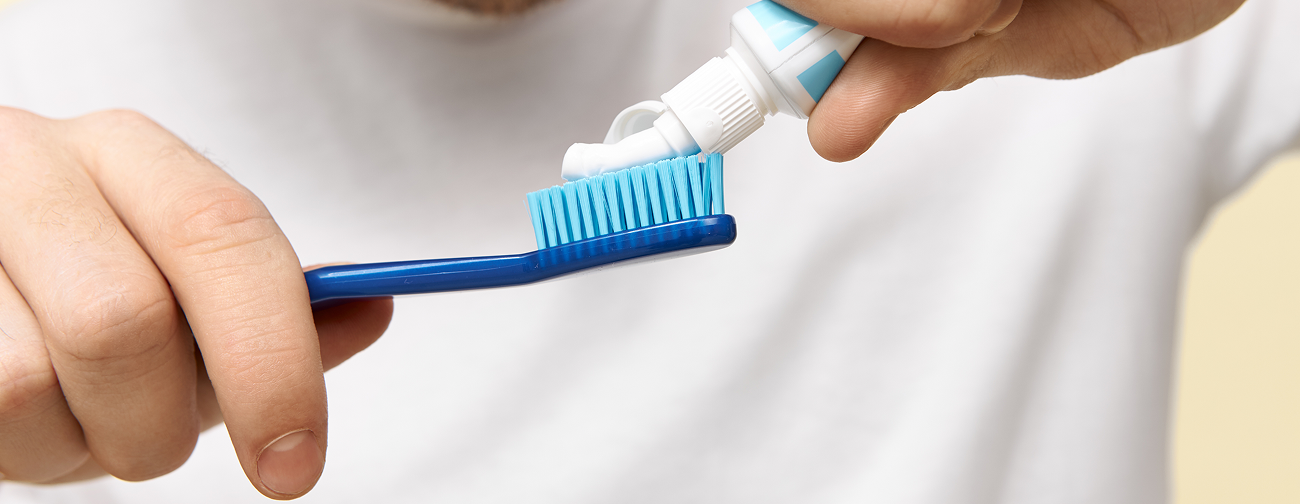
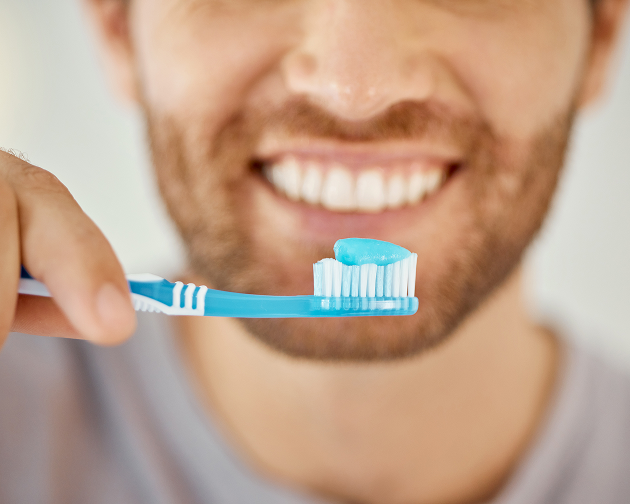
Brushing your teeth is very important for removing biofilm. Biofilm is a very thin, sticky layer that covers your teeth. It contains a lot of bacteria. If not removed, it can cause cavities and periodontal disease. To get the most out of brushing, try the following tips:
– Use a small-headed manual brush with medium-hard bristles; if it’s an electric brush head, any brush head is fine.
– Use fluoride toothpaste to prevent cavities.
– Make sure you brush all surfaces of your teeth properly.
– Pay attention to the gum line, angle the bristles toward the areas where your teeth and gum meet.
– Brush twice a day for about 2 minutes each time, especially at night.
– Replace your brush or brush head every 3 months, or sooner if the bristles are worn or split.
Cleans between teeth
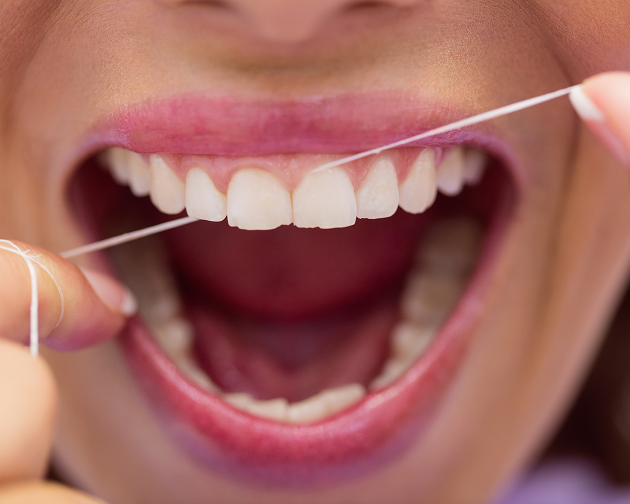
Flossing or interproximal brushes can help remove biofilm and small pieces of food from between your teeth and under the gum line. These areas are not easily cleaned with a toothbrush. It's important to use proper flossing technique, so if you have any questions, ask our dentists or hygienists.
If you don't remove biofilm from your teeth, it builds up, hardens, and turns into calculus. Calculus can only be removed by a dentist or hygienist. If left unremoved, it can inflame the gums, which can cause bone loss and eventually cause teeth to shift and become lost.
Use mouthwash
It's a good idea to use mouthwash when prescribed by your dentist. Some mouthwashes contain fluoride and help prevent cavities. Others are antimicrobial and reduce biofilm and prevent periodontal disease. Using mouthwash can also prevent bad breath, although bad breath can be caused by other problems.
Chew gum
Chewing sugar-free gum after meals is recommended. This promotes saliva production, which helps neutralize acid in the mouth. Some gums contain a sweetener called xylitol, which helps reduce the risk of cavities, and are recommended, but in moderation. But remember, chewing gum is not a substitute for brushing your teeth.
Control the sugar in your diet
Eating sugary foods or sugary drinks promotes cavities. You may be surprised to learn that it's the frequency of sugar intake, not the amount of sugar, that's most important. It takes about an hour to neutralize the acids in your mouth after eating something sugary. To prevent these acids from building up too frequently, try limiting the number of times you snack. However, reducing the total amount of sugar in your diet is also important for your overall health.


Dental erosion
Erosion is the result of enamel being worn down by acid in the mouth. Dietary sugars, carbonated beverages, citrus fruits, and anything with a low pH can cause erosion.
Tobacco
Smoking can stain your teeth and increase your risk of periodontal disease.
Tips for children under 2 years old
- Brush your child's teeth twice a day from the moment they erupt, that is, from the moment they appear in the mouth.
- Brush your teeth before going to sleep, and once during the day.
- Use a very thin layer of toothpaste on your toothbrush. The toothpaste should contain at least 1,000 ppm of fluoride.
- Breastfeeding provides the best nutrition for babies.
- From 6 months of age, children should start drinking from a sippy cup.
- Bottles should be discontinued after one year of age.
- During weaning, sugar should not be added to your child's food.
- The frequency of sugary foods or drinks should be kept to a minimum on a daily basis.
- Medicines or medications should be, as far as possible, sugar-free.
Tips for children over 2 years old
- Brushing your teeth should be the last thing you do at night, and should be done at another time during the day.
- Brushing should be done by an adult, or if they do it alone, they should be supervised.
- Use a pea-sized amount of toothpaste on your toothbrush. The toothpaste should contain at least 1,350 ppm of fluoride.
- Toothpaste should be spit out, but not rinsed.
- Unless prescribed by your dentist, you do not need to use mouthwash.
- The frequency of sugary foods or drinks should be kept to a minimum on a daily basis.
- To prevent cavities, it's about limiting the frequency rather than the amount of sugar you consume. Limit your children's sugar intake to the minimum daily amount.
- Medicines or medications should be, as far as possible, sugar-free.