

Sensitive teeth
Tooth sensitivity isn't something you have to put up with, and in most cases, it can be easily treated.
You may have noticed that your teeth feel more sensitive, to the point where they hurt when it's cold.
Although uncomfortable, tooth sensitivity is a sign that something may not be right. Sensitivity can be treated and usually cured, but if left untreated, it's likely to worsen over time.
How do you know if you have sensitive teeth?
You may have sensitive moments when:
- You are drinking a hot drink or eating ice cream
- You are eating something sour or very sweet.
- You bite something hard
Why do teeth become sensitive?
The reason teeth feel more sensitive is because the dentin layer inside the tooth has been exposed. This is because the protective enamel on the tooth's surface has been damaged.
Dentin contains very small holes that connect to the tooth's nerve. This indirect nerve exposure is the reason you experience sudden tooth sensitivity or pain.
How does sensitivity happen?
There are several causes of sensitivity, as dentin can be exposed in several ways.
- You may have a broken or cracked tooth.
- You may have a cavity.
- Over-brushing your teeth (with a brush that is too hard or for too long) can also wear down tooth enamel.
- Acidic foods and drinks can erode enamel and expose dentin.
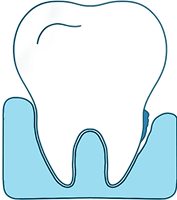
- Gum recession can slowly expose the tooth's root, which lacks an enamel layer. This can occur naturally or through periodontal disease, including gingivitis.
- Low-quality cosmetic teeth whitening treatments can damage your enamel.
- If you clench your teeth due to bruxism, you can wear down the enamel or even some of the dentin.
Can tooth sensitivity be treated or prevented?
- Make sure you come in for regular checkups with your dentist.
- Follow your dentist or hygienist's advice to care for your teeth at home.
- Visit us as soon as you suspect you may have a problem, such as a cavity, a broken tooth, or a change in your gums. Treatment can prevent things from getting worse.
- Your dentist may recommend a fluoride gel, rinse, or varnish. These can gradually build up a protective layer on your teeth.
- Avoid sugary, carbonated, and acidic foods and drinks.
- Switch to a softer toothbrush and replace it as soon as it shows signs of wear, such as splitting bristles.
- Use a desensitizing toothpaste, ideally one with fluoride (but follow your dentist's advice, because too much fluoride can be bad for you).
How are dental abscesses treated?
You should not delay treatment for a dental abscess because it is a bacterial infection.
If the diagnosis is confirmed as a dental abscess, the dentist may drain it and perform a root canal and prescribe antibiotics for the infection. If we prescribe antibiotics, follow the instructions and be sure to finish the course, or the infection may not completely clear up, causing symptoms, including pain and swelling, to return.