


General and Preventive Dentistry
Dental check-up to maintain a healthy smile
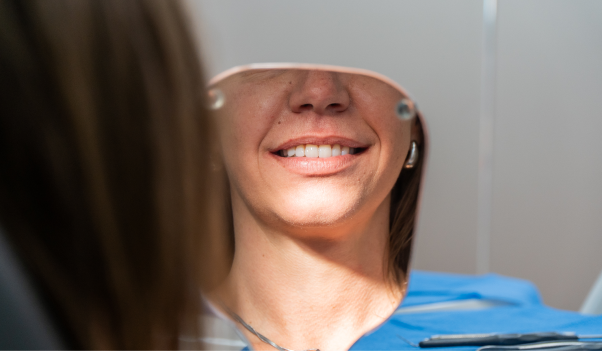
It allows you to see the condition of your teeth, gums, muscles, temporomandibular joint, etc. It gives us the opportunity to review your hygiene, highlight areas for improvement, and remind you of the appropriate hygiene measures for your case.
You may not feel like there's anything wrong with your teeth or gums, but regular checkups are essential to keep your mouth healthy and ensure any problems are resolved as quickly as possible, or prevented altogether. Remember, it's much easier to prevent problems than to cure them.
Frequently Asked Questions
What does a dental check-up consist of?
The dentist will examine your teeth, gums, soft tissues (tongue, cheeks, palate, etc.), and restorations to ensure your mouth remains healthy. This is a routine opportunity to identify the initial appearance of any health problems that can be addressed before they worsen.
What does a checkup entail?
- Examine your orofacial joints and muscles, your mouth, teeth, gums, cheeks, and tongue.
- Ask you questions about any concerns, curiosity, problems, or pain you've had since your last checkup.
- Give you advice on things you can do to improve your oral health: about your diet, how and with what to brush your teeth, oral hygiene, etc.
- Follow-up X-rays may be done to check for any underlying problems, such as cavities or bone loss.
- If necessary, you may be treated with a dental hygiene procedure (scaling). In fact, you can schedule a follow-up visit with a dental hygiene procedure to keep your gums in the best possible health.
- Any signs of oral cancer or other general diseases that may affect the mouth will be reviewed. If additional problems are identified, we will refer you to the appropriate specialist.
How do I know if I need a filling?
Symptoms include persistent pain, sudden pain when biting, or sensitivity to hot and cold. You may also notice an unpleasant taste or food getting stuck between your teeth.
Why should I restore my teeth?
Restoring damaged teeth can help protect them from further problems and decay, preserving the remaining healthy parts of the tooth in the future and long term. Repairing cavities, fractures, and cracks can also stop pain and eliminate the symptoms these problems cause when eating and drinking. The sooner these problems are identified and sealed, the less likely you are to have problems later. Without treatment, a cavity or fractured tooth can lead to pain, bad breath, infection, and even tooth fracture or loss.
What should I do after having a filling?
The local anesthetic will cause your gums, tongue, cheeks, and even your lips to feel numb and tingly for a while. Until this effect wears off, you may have difficulty speaking, chewing, and drinking. As a precaution, avoid chewing on that side for a while to avoid accidentally biting yourself. For up to a week afterward, the tooth may be slightly more sensitive to cold, especially if it's a deep cavity. If the sensitivity worsens or continues for a longer period, let us know; it may indicate changes in nerve vitality, and further treatment may be necessary.
How often is a dental check-up necessary?
At Semüi, we advise our patients to have regular checkups; we determine the frequency based on each patient's individual needs. A twice-yearly checkup, for example, is a key factor in improving long-term oral health.
How long does a dental checkup take?
The length of follow-up appointments ranges from 30 to 60 minutes, depending on each individual's case.
For what reasons might I need a filling?
- Caries: It's the most common cause. Biofilm on teeth is formed by bacteria that feed on the sugars and starches left on the surface when eating or drinking. The acids produced by the biofilm soften and dissolve the enamel (the hard protective layer of teeth), causing small holes that later become larger.
- Acid erosion: Protective enamel can be worn away by the acids in certain foods and beverages, or by some medical conditions such as gastroesophageal reflux disease or hiatal hernia. These lesions must be sealed to prevent erosion from progressing to the dentin (the softer, inner layer of the teeth).
- Fracture: You may have a broken or cracked tooth as part of an injury or after eating something very hard. This can expose the internal parts of the tooth and cause symptoms.
- Abrasion and wear: These injuries occur when teeth are worn down by friction, perhaps due to overly aggressive brushing or grinding (bruxism). Furthermore, there's a direct relationship between tooth wear and obstructive sleep apnea, so we may recommend a sleep study if we suspect it.
What does a filling involve?
How can I avoid fillings in the future?
- Reduce and control your consumption of sugary or acidic foods and drinks. If you drink a sugary drink for much of the day, for example, your teeth will be exposed to the sugar or acid for longer, giving your mouth no chance to recover. If you must drink a sugary or acidic drink, it's better to do it all at once rather than sipping it in small amounts over several hours. The most important thing isn't "how much," but "how opten."
- Come for regular dental checkups.
- Clean between your teeth before brushing.
- Brush your teeth twice a day for two minutes. Never skip brushing before bed.
- Use the right toothpaste; your dentist or dental hygienist can advise you on what's best for you.
- Change your toothbrush or electric toothbrush head at least once every four months.