

Joint pain or dysfunction
Pain around the jaw, cheek, ear, or neck, limited jaw opening motion, or clicking sounds are signs of a temporomandibular joint (TMJ) disorder.
The jaw joint allows the jaw to move from side to side, back and forth, and to open and close the mouth. It is one of the most complex joints in the body. Due to its complexity, there are several different problems related to the temporomandibular joint.
Symptoms of TMJ disorders
Symptoms may include: pain or dysfunction (malfunction)
- Pain around the jaw, cheek, ear, neck, shoulders, or back.
- Headaches
- Restricted movement, making chewing difficult: You may feel as if your jaw is locked or unable to fully close your mouth
- Grinding sounds, clicks when opening or closing the mouth.
- Not feeling the bite well when you close your mouth
- Symptoms may also worsen when you chew, or if you feel stressed.
You may be able to manage these symptoms from home, and they often improve on their own within a few months. But if you're concerned about pain or other symptoms, come see us to find out if treatment might help.
Diagnosing TMJ problems
If you're experiencing discomfort or problems with your TMJ, consult us. We'll ask you about your symptoms, examine you, and complete your medical history. Because the jaw joint is so complex, there are many possible causes.
Jaw joint problems often improve within three to six months and generally don't cause complications. Resting your jaw joint can help relieve your symptoms. Here are some tips:
- Eat soft foods so you don't have to chew them for too long.
- Don't yawn, chew gum, use pens or pencils, or bite your nails.
- Try to stop any habits like jaw clenching or teeth grinding.
- Try to reduce stress if you can, as this can worsen jaw clenching or teeth grinding. Relaxation techniques may be helpful.
- Massage the muscles around the jaw
- Place a heating pad or hot water bottle (filled with warm, not boiling, water) wrapped in a cloth or towel on the painful area.
The exact cause of jaw joint problems is not always fully understood, and there are several possible causes. Many people experience more than one cause at the same time.
Treatment of jaw joint problems
If you need treatment, it will depend on the exact cause of your joint problem.
Pain relievers, such as paracetamol or ibuprofen, may help relieve the pain.
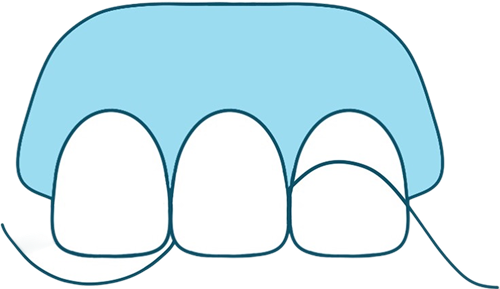
If your dentist thinks you're clenching your teeth while you're asleep, they may suggest wearing a mouth guard. This is a plastic covering that fits over your upper or lower teeth and prevents them from touching each other.
Most jaw joint problems don't last long and don't worsen. But if your condition doesn't begin to improve within three months, you should make an appointment with a specialist.